Last-Mile Delivery: The Backbone of eCommerce Logistics
Imagine a parcel that travels flawlessly from your warehouse in Mumbai to a distribution hub in Bangalore, clears all sorting stages on time, and reaches the local delivery station in perfect condition — only to sit there for three days because the delivery executive could not find the address. From the customer's perspective, none of the upstream excellence matters. Their experience is defined entirely by what happens in the final few kilometres.
That is the paradox of last-mile delivery: it represents the shortest distance in the entire logistics chain, yet it carries the heaviest impact on customer satisfaction, repeat purchase rates, and brand reputation.
1. Why the Last Mile Matters More Than Every Other Mile
The final leg of delivery is where logistics stops being an abstract backend process and becomes a tangible human interaction. The customer sees a delivery person, touches the package, and makes an instant judgement about your brand. Late arrival, a damaged box, a missed delivery attempt with no communication — any of these can undo weeks of careful marketing and product development.
- Brand perception is formed here: Surveys consistently show that customers blame the seller, not the courier, for bad deliveries. Your brand absorbs the reputational hit even when the courier is at fault.
- Support costs spike here: The vast majority of "Where is my order?" queries happen during the last-mile window, when customers are actively waiting for their package.
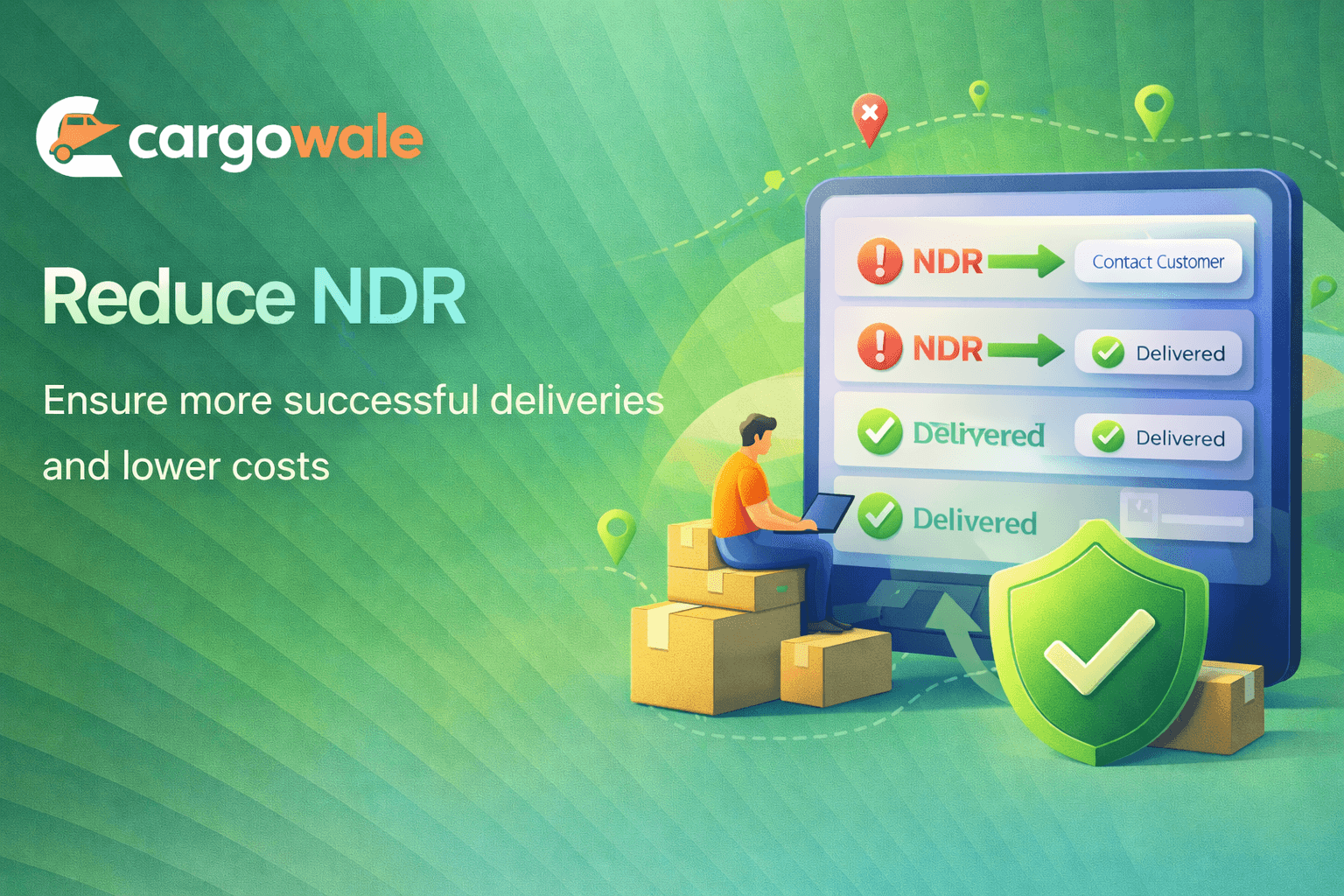
- Failed deliveries happen here: Almost all NDRs originate in the last mile — wrong address, customer unavailable, gated community access issues. Each one doubles your shipping cost.
2. What Makes Last-Mile So Challenging
The economics and logistics of last-mile delivery are fundamentally different from long-haul transit. A truck moving five hundred parcels between two cities achieves enormous efficiency per package. But when those parcels scatter across a city to five hundred different doorsteps — each with unique access points, availability windows, and delivery preferences — the cost per drop skyrockets.
Add unpredictable traffic, buildings without clear signage, customers who are not home, and the growing expectation of same-day or next-day delivery, and you have a challenge that no amount of warehouse optimisation can solve on its own.
3. What Good Last-Mile Execution Actually Looks Like
Strong last-mile delivery is not about racing to the doorstep. It is about predictability, transparency, and graceful exception handling. A customer who knows their package will arrive between 2 PM and 4 PM — and receives a notification when the driver is ten minutes away — has a radically better experience than one who spends the entire day wondering.
Cargowale's platform supports this through real-time tracking that follows the package all the way to the delivery attempt, across whichever courier partner is handling the last mile. When sellers and customers can see exactly where a parcel is and when it will arrive, the anxiety disappears and the support load drops.
4. Four Things You Can Do to Improve Your Last-Mile Performance
Choose couriers based on local strength, not just national reach. A courier might be excellent in western India but weak in the northeast. Build routing rules that play to each partner's geographic strengths.
Keep your customer in the loop. Automated notifications at key milestones — "out for delivery," "arriving in 30 minutes," "delivered" — reduce anxiety and cut support queries by up to forty percent.
Analyse your NDR data by zone and reason. If a particular area generates disproportionate failed deliveries, dig into whether it is an address-quality issue, an access issue, or a courier-capability issue. Each root cause has a different fix.
Set delivery promises you can actually keep. Overpromising and underdelivering is worse than a conservative estimate met reliably. Align your checkout delivery estimates with what your courier partners can practically achieve on each route.
Conclusion
Last-mile delivery is where your logistics story either earns a happy ending or falls apart at the final page. Businesses that invest in better courier selection, proactive customer communication, and data-driven route management do not just deliver more packages — they build the kind of trust that turns one-time buyers into loyal customers.